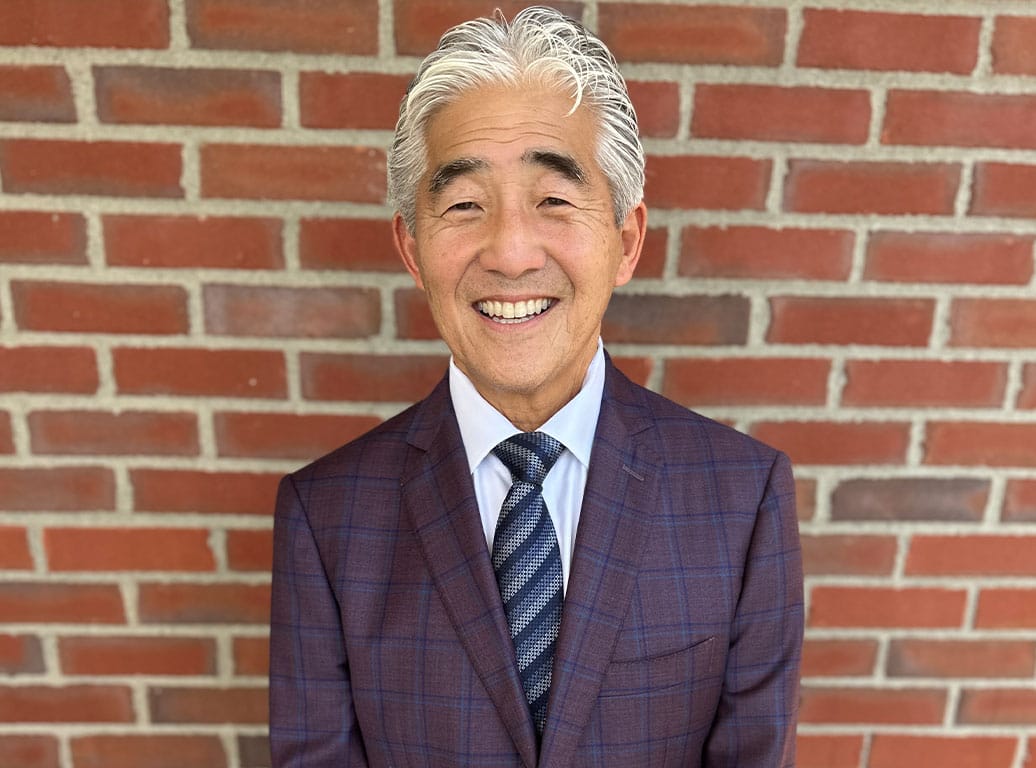
 Dr. Sakamoto
 Dr. Mannava
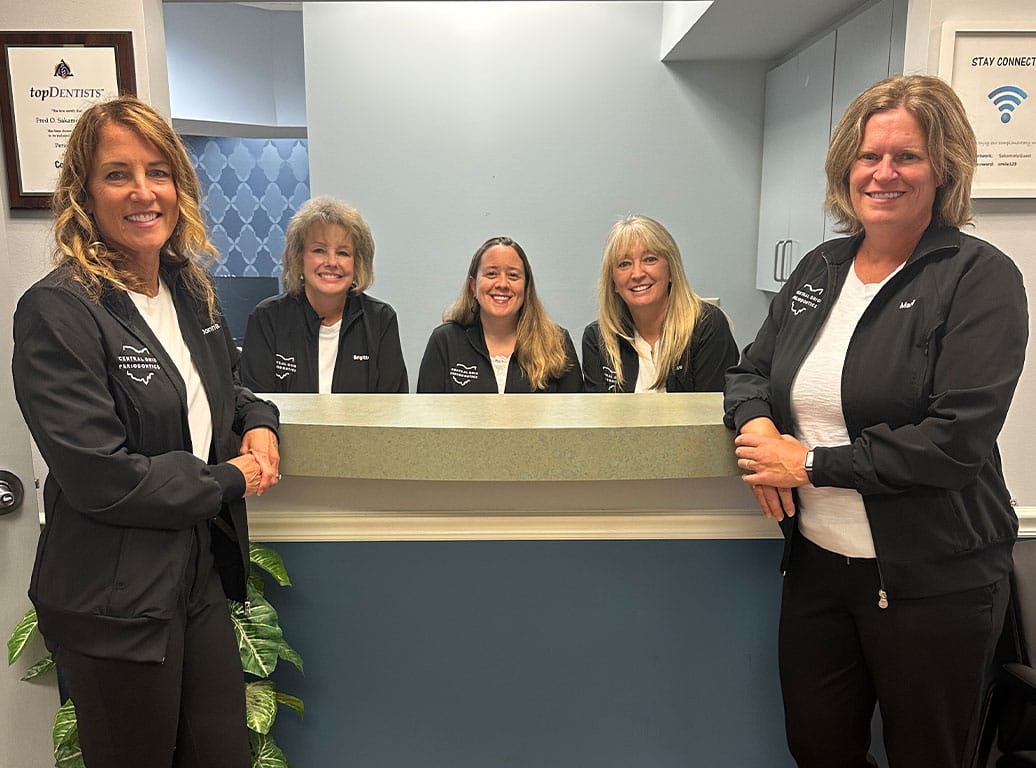
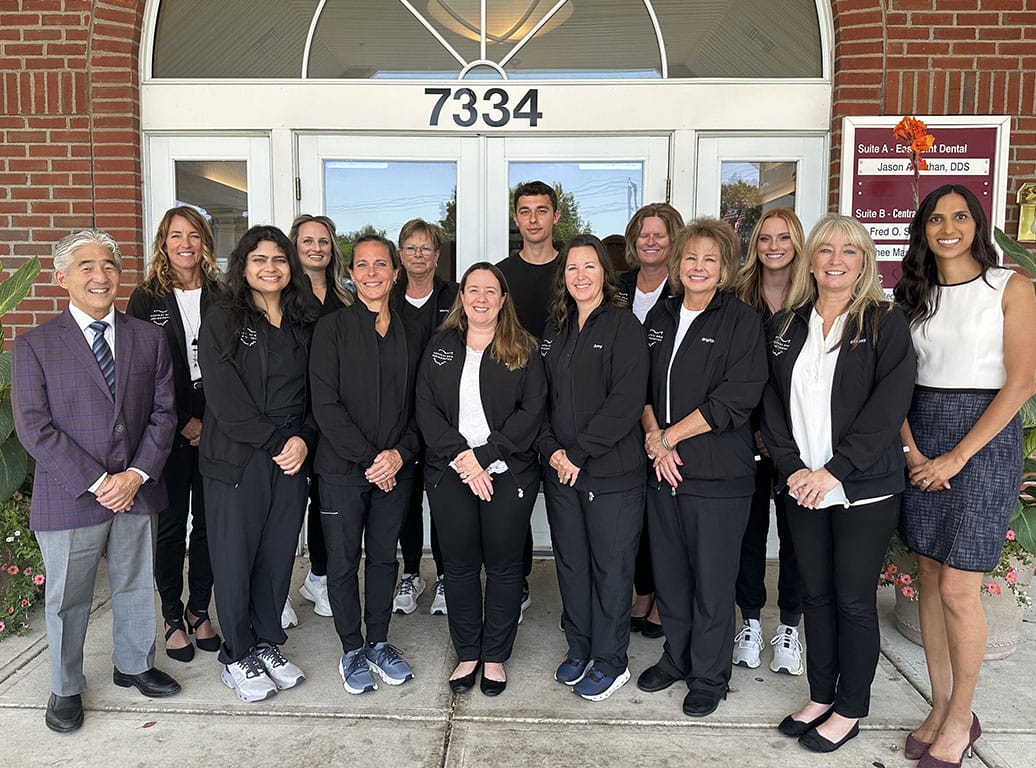 Our Team
 FIRST VISIT
 PATIENT FORMS
 DENTAL INSURANCE
 POST-OP INSTRUCTIONS
LAPIP®
LAPIP FAQs
Laser periodontal therapy can feel unfamiliar to many patients, especially when it’s recommended as an alternative to traditional gum surgery. At Central Ohio Perio, we use LAPIP® (Laser Assisted Peri Implantitis Procedure) to help patients manage infection around dental implants in a minimally invasive way. The following FAQs answer common questions patients often have after learning about LAPIP treatment.
Who may be a candidate for LAPIP treatment?
LAPIP is typically recommended for patients experiencing peri‑implantitis—an inflammatory condition that affects the gum tissue and bone surrounding a dental implant. Candidates often include individuals with gum inflammation, bone loss around implants, or signs that an implant may be at risk. A full periodontal evaluation is required to determine whether LAPIP is appropriate for your specific situation.
Can LAPIP help save an existing dental implant?
The goal of LAPIP is to reduce infection and support healing around the implant, which may help stabilize the area and protect the implant’s long‑term function. Because every case is different, outcomes depend on factors such as the extent of infection, bone condition, and overall oral health. Your periodontist will discuss expected results based on your evaluation.
Is LAPIP performed alongside other periodontal treatments?
In some cases, LAPIP may be combined with additional periodontal or maintenance care to support long‑term gum and implant health. Ongoing professional cleanings and personalized home‑care routines play an important role in helping reduce the risk of future implant complications.
What is recovery like after LAPIP treatment?
Recovery after LAPIP is generally straightforward due to the minimally invasive nature of the procedure. Patients may experience mild soreness or sensitivity following treatment, but often return to normal activities quickly. Post‑treatment instructions are provided to help protect healing tissues and promote optimal results.
How does LAPIP compare to traditional implant surgery?
Unlike conventional surgical approaches that involve incisions and sutures, LAPIP is designed to treat infection without cutting the gum tissue. This may reduce discomfort and accelerate healing for many patients. Your periodontist can explain how this approach differs based on your specific implant concerns.
Will I need periodontal maintenance after LAPIP?
Yes. Ongoing periodontal maintenance is essential for managing peri‑implant health after LAPIP. Regular visits allow our team to monitor the implant, assess gum stability, and address any early signs of inflammation before they progress.
Does dental insurance cover LAPIP?
Insurance coverage varies by plan. Some policies may partially cover laser‑assisted periodontal procedures related to implant disease. Our Central Ohio Perio team can help review your benefits and clarify coverage before treatment.
If you have concerns about inflammation or bone loss around a dental implant, Central Ohio Perio offers advanced laser‑based solutions, such as LAPIP, to help protect your oral health. Schedule a consultation to learn whether this approach is right for you and to receive personalized guidance for long‑term implant care.
At Central Ohio Periodontics, we recommend LAPIP® when we consult with a patient who is experiencing problems with a dental implant.
What is the Laser-Assisted Peri-Implantitis (LAPIP®) Procedure?
Dental implants are a very common, highly successful procedure for most patients. However, on rare occasions, a patient may experience inflammation called peri-implantitis. This type of inflammation affects the bone and soft tissues that surround the dental implant. If peri-implantitis is left untreated, it can lead to the breakdown of hard and soft tissues around the dental implant.
Laser-Assisted Peri-Implantitis, also known as LAPIP®, is a treatment method Dr. Sakamoto uses to eliminate peri-implantitis.
The LAPIP® Procedure at Central Ohio Periodontics
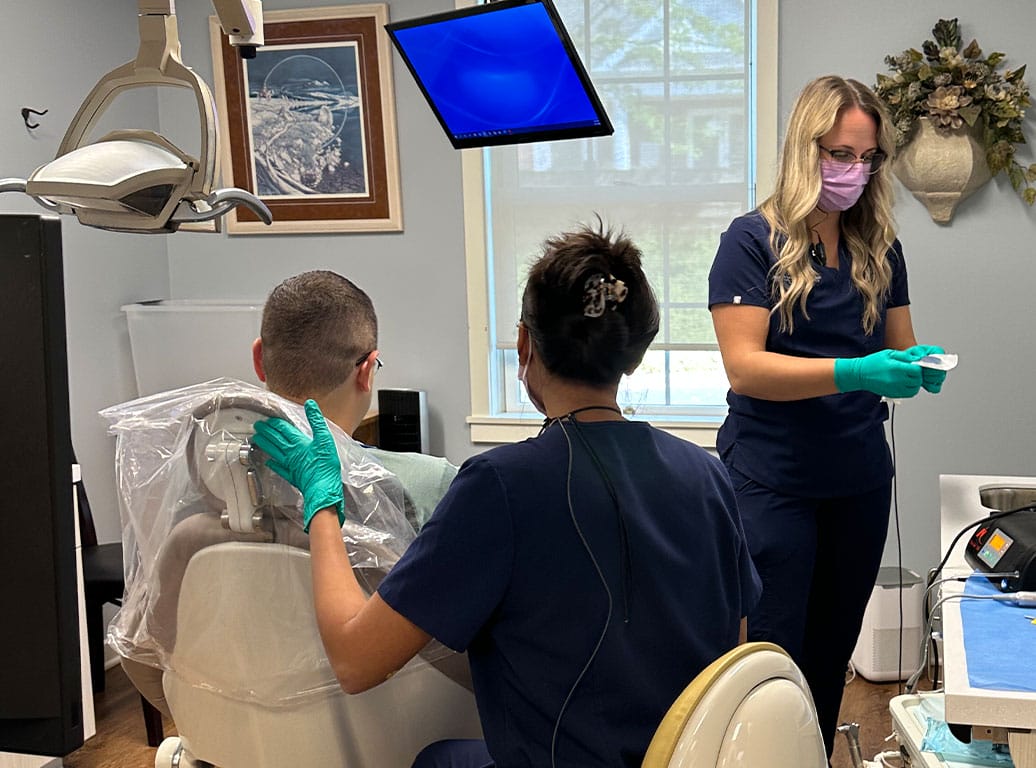
During the LAPIP® procedure, Dr. Sakamoto will use a laser to deep clean and “sanitize” the areas of the mouth that are inflamed or affected. He may also reshape or reconstruct soft and hard tissues near the dental implant, if necessary. After the procedure, Dr. Sakamoto may prescribe medication and outline specific cleaning techniques, to speed the healing process at home.
How do you know if you are a candidate for peri-Implantitis?
While most patients enjoy a lifetime of health with their dental implants, there are a few signs that you may be experiencing peri-implantitis. Feel free to contact Central Ohio Periodontics if you are experiencing any of the symptoms or issues below:
- Swelling in the gums
- Change in gum color, sensitivity or pain near the dental implant
- Bleeding gums while brushing or flossing
- Implant mobility or exposure
- Secretions near the surrounding tissue of the dental implant
If you are interested in learning if LAPIP® is right for you, contact us today at 614-575-0070 or office@centralohioperiodontics.com. We welcome you to our office and encourage you to schedule your appointment today!